Guest writer Lee Coombs takes a look at the once hated horror sequels fans have learned to love as of late!
There are a lot of hated horror sequels out there. In fact, there are few things horror fans enjoy more than telling everyone that the new sequel is terrible — and we’re bloody brilliant at it.
Give us a beloved horror film, announce a sequel nobody asked for, and we’ll have our knives sharpened before the opening credits. It isn’t as good as the original. They’ve ruined the killer. The new characters are annoying. The mythology makes no sense. Why have they changed the mask? Why haven’t they changed anything? Why are they making another one?
Then something strange happens.
Twenty years pass, and we’re buying the collector’s edition. The film we once dismissed as an embarrassment to the franchise is suddenly the one we’re defending on social media. We remember individual kills. We quote ridiculous dialogue. We become strangely affectionate towards the dodgy mask we once complained about.
Eventually somebody announces that they actually hate it and we react as though they’ve insulted a member of the family. Horror fandom is funny like that.
I’ve been watching many of these films for most of my life, and I’ve changed my mind about more of them than I’d probably care to admit. Movies I once considered weak sequels have become regular rewatches. Others haven’t necessarily become better, but I’ve learned to enjoy what they are rather than constantly punishing them for what they aren’t.
And I don’t think I’m alone. The interesting question isn’t why some horror sequels are bad. It’s why we’re so good at forgiving them in the end.
The Original Is a Terrible Thing to Live Up For Horror Sequels
The biggest problem facing a horror sequel often has nothing to do with the sequel itself. It’s the film sitting immediately before it. How exactly do you follow Halloween? Or A Nightmare on Elm Street?Once a movie becomes beloved, we stop judging its sequel entirely on its own terms. We’re comparing it with something we’ve already watched, rewatched and probably mythologised.
That’s a fight most sequels will lose. And horror makes the problem harder because what makes a horror film successful can be incredibly fragile. Michael Myers was frightening partly because we didn’t completely understand him. Freddy Krueger was extraordinary because audiences hadn’t seen anything quite like him. Jason Voorhees gradually became an icon because every new Friday the 13th added another piece to a mythology nobody could have mapped out when the series began.
But horror sequels have to give us more. More killer. More mythology. More kills. More spectacle. We demand that filmmakers repeat what worked while simultaneously complaining if they repeat it too closely. It’s an almost impossible assignment. That’s why time can be so kind to these movies. Once we’re no longer sitting there asking, “Is this as good as the original?”, we can finally ask a much fairer question: “Is this actually any fun?”
And sometimes the answer changes dramatically.

Halloween III: The Film That Committed the Wrong Crime
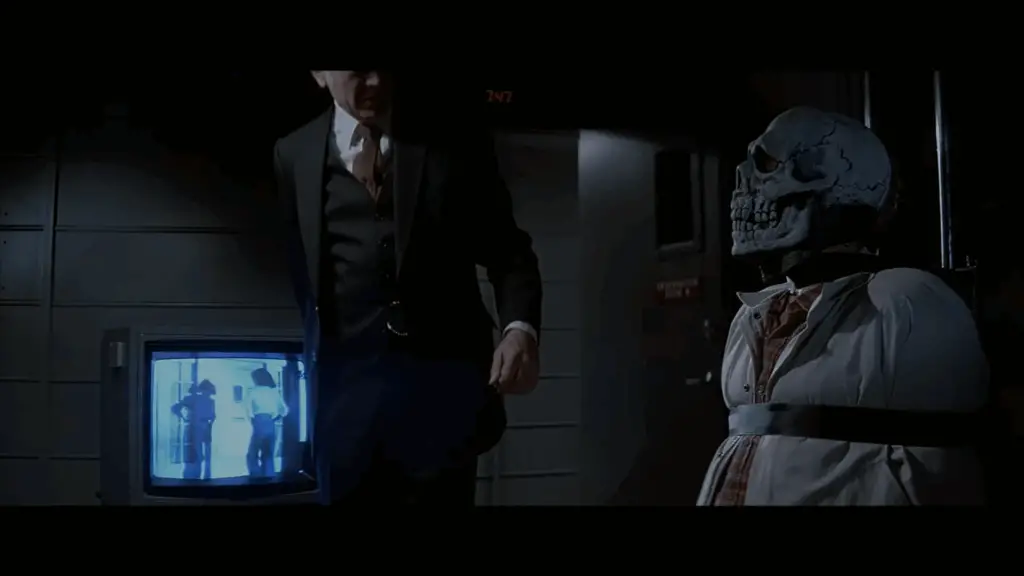
There may be no better example of horror fans changing their minds than Halloween III: Season of the Witch.
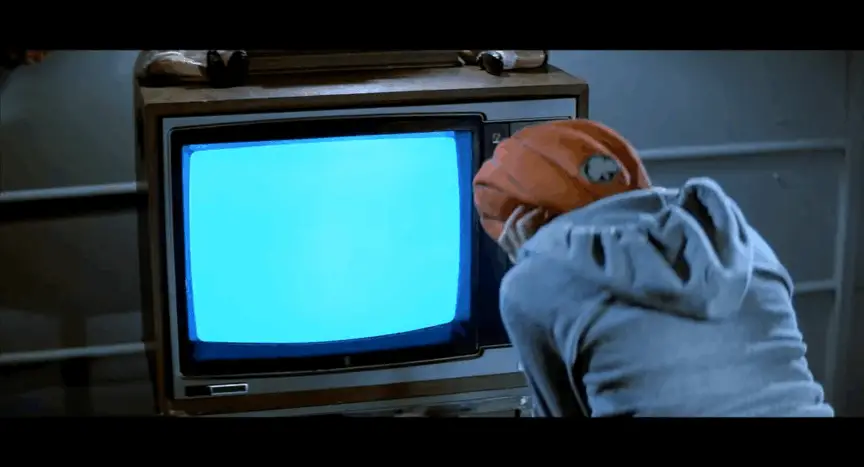
The film’s great crime wasn’t that it was badly made, or that it had terrible writing, or even that it had a bad cast. It was that Michael Myers wasn’t in it.Today, everyone knows what they’re getting. You put on Halloween III because you want Silver Shamrock, creepy masks, Tom Atkins, Stonehenge, androids and one of the most irritatingly effective advertising jingles ever committed to film.
But imagine approaching it primarily as the next Halloween movie. Michael Myers had become the franchise. Then suddenly he was gone.
Instead, audiences got an entirely different story built around a sinister novelty company and a plan involving children’s Halloween masks. No wonder people were confused. Yet removing the expectation changes the movie.
Watch Halloween III today, and its strangeness becomes one of its greatest strengths. It has atmosphere. It has personality. It has that wonderful early-’80s quality where a movie can throw several completely bonkers ideas together and somehow expect you to follow it.
Most importantly, it isn’t desperately trying to recreate John Carpenter’s original film. It wants to be something else.
The irony is that what audiences once punished it for is now what many fans love about it. Halloween III didn’t suddenly become a different movie. We became a different audience.
Freddy’s Revenge Was Always Stranger Than We Remembered
A Nightmare on Elm Street 2: Freddy’s Revenge had another impossible job. How do you follow Freddy Krueger when audiences have only just met him?
The answer was to make one of the strangest horror sequels in any major genre franchise.
For years, Freddy’s Revenge felt like the awkward member of the Elm Street family. The mythology doesn’t always behave the way later films taught us it should. Freddy’s relationship with Jesse is different. The dream rules feel different. Even the tone feels slightly disconnected from the series that eventually developed around it.
But that’s partly because we’re looking backwards. We know what Freddy became. The filmmakers in 1985 didn’t. No giant rulebook labelled “How Freddy Krueger Works” sat beside the camera. They were still figuring it out. And once you accept that, Freddy’s Revenge becomes fascinating.
It’s darker and more uncomfortable than many of the sequels that followed. Mark Patton’s performance gives the film a vulnerability that feels completely different from the usual slasher protagonist, while the movie’s queer subtext — discussed openly and extensively in the years since its release — has become central to how modern audiences understand it.
What once made the sequel feel like an oddity now makes it distinctive. And let’s be fair: in a franchise that eventually gave us Freddy riding a broomstick and making jokes about The Wizard of Oz, perhaps criticising the second movie for getting a little weird feels slightly unfair.
Friday the 13th Part V: Yes, We’re Going There
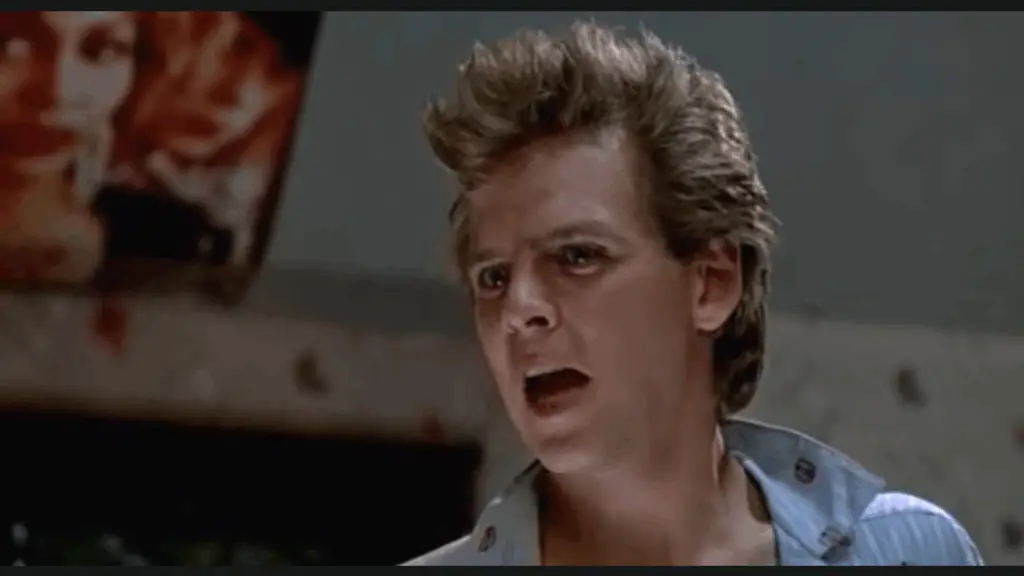
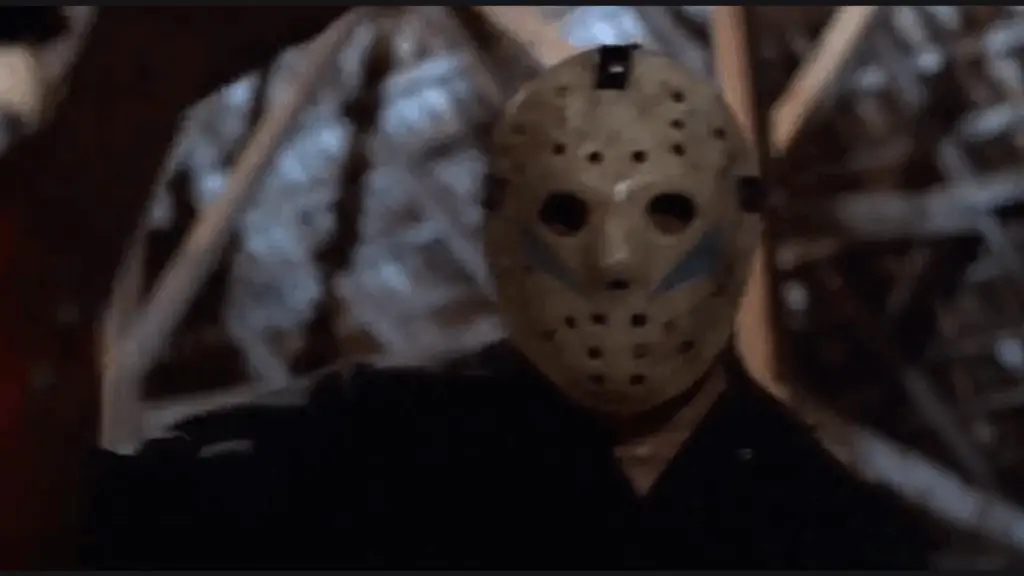
Now we’re entering dangerous territory: Friday the 13th Part V: A New Beginning. The one where Jason isn’t actually Jason. I can already hear somebody closing the browser.
But stick with me. If Halloween III annoyed people by removing Michael Myers, A New Beginning performed a similar trick on Friday fans — except it spent most of the movie encouraging us to believe Jason was back.
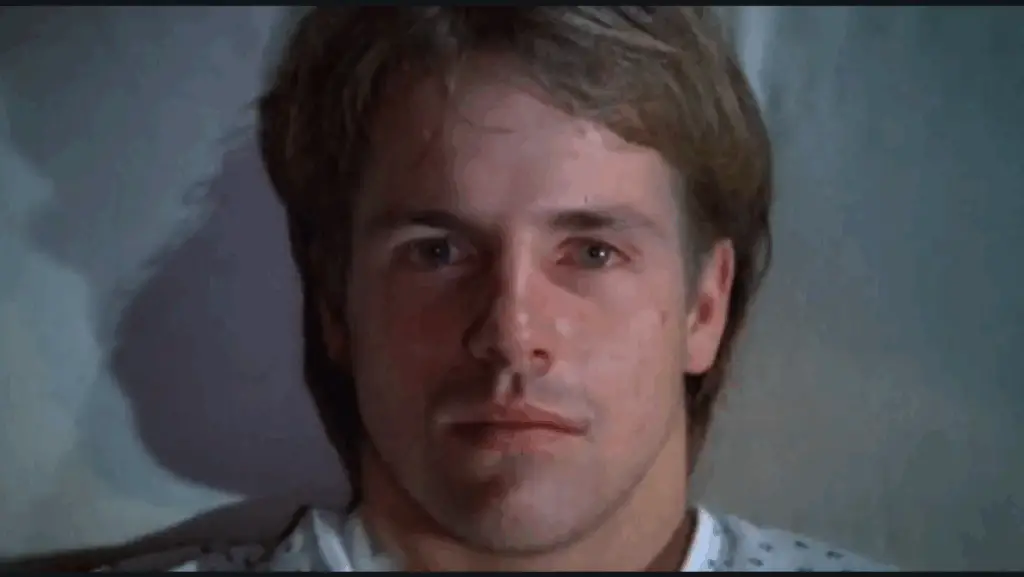
Then came Roy Burns. For years that reveal seemed to define the entire film. Not Jason. Therefore rubbish.
Except when you go back to Part V without obsessing over the identity underneath the mask, something else happens. Y ou realise this thing is completely bloody bonkers.And I mean that affectionately.
It has a huge body count, a collection of characters who seem to have wandered in from several different movies, sleaze, ridiculous dialogue, and the sort of energy only a mid-’80s slasher sequel could produce. Is it the finest Friday the 13th? No. Am I going to attempt to convince anyone that Roy Burns is secretly a more compelling killer than Jason Voorhees? Absolutely not. But would I rather live in a world where this bizarre little chapter of the franchise exists?Definitely.
That’s an important distinction horror fans sometimes forget. A movie doesn’t have to be great to become something we love.
Jason Barely Takes Manhattan
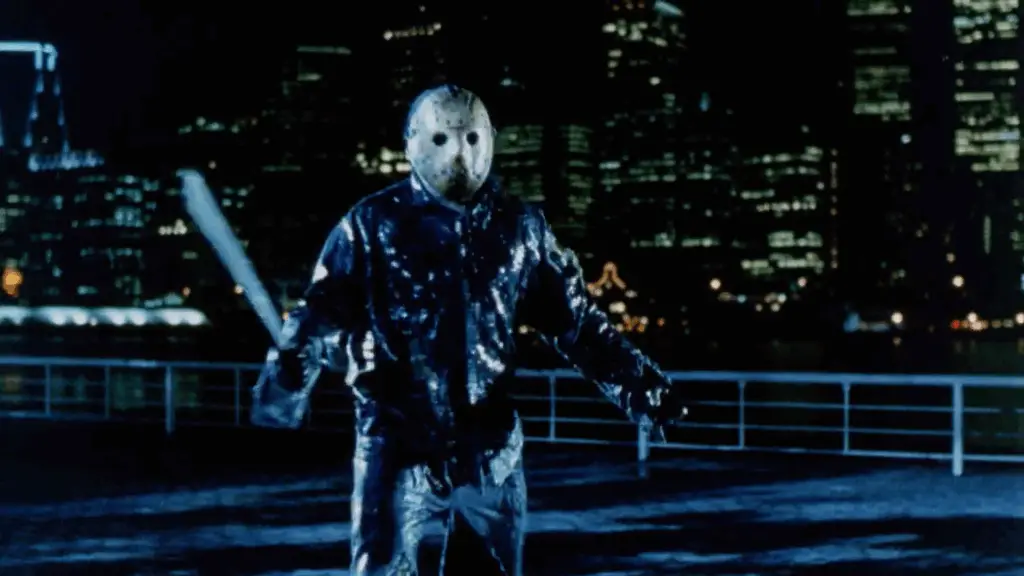
Then there’s Friday the 13th Part VIII: Jason Takes Manhattan.Even the title feels like a promise the movie can’t possibly keep. Jason! Manhattan! Imagine the possibilities. Jason in Times Square. Jason on the subway. Jason stalking victims through New York streets.
Instead, an awful lot of Jason Takes Manhattan takes place on a boat. It’s difficult not to feel slightly cheated. But decades later, the disappointment doesn’t carry quite the same weight. We already know about the boat. We’re prepared for the boat. The boat cannot hurt us anymore. And when Jason finally reaches New York, there’s something wonderfully absurd about seeing this silent supernatural killing machine wandering through late-’80s Manhattan as though Crystal Lake’s least enthusiastic tourist has finally taken a city break.
The Times Square sequence alone has become one of the franchise’s most recognisable images. That’s nostalgia doing some heavy lifting, certainly. But nostalgia isn’t necessarily dishonest. Sometimes time lets the initial disappointment fade while the entertaining bits remain.
Nobody is still waiting for Jason Takes Manhattan to deliver the movie its title promised. We’re simply watching the strange movie it actually delivered.
Sometimes What Came Later Makes the Old Films Look Better
Here’s the uncomfortable one.
Sometimes we forgive an old sequel because we’ve subsequently discovered things can get much worse. A disappointing horror sequel arrives and feels like the end of the world. Then the franchise continues for another twenty years. There are more sequels. A remake. Maybe another reboot. A legacy horror sequel that ignores several previous sequels. Then another sequel to that sequel which possibly ignores something else.
Eventually the film we once hated starts looking strangely comforting. At least it had practical effects. At least it looked like the other films. At least that version of the killer felt right. At least it had some atmosphere.
We begin grading on a curve that didn’t exist when the movie was released. That’s unfair to the newer films, but it’s also human. Context changes everything. The horror sequel you hated at seventeen isn’t competing against the same movies when you watch it at forty. Now it’s carrying memories.
Maybe you remember renting it from a video shop. Maybe you watched it at a friend’s house. Maybe the VHS cover terrified you long before you were actually old enough to see the film.
Eventually we’re no longer simply reviewing the movie. We’re revisiting part of our lives.
The Video Shop Did Something Streaming Can’t
This may be particularly true for those of us who grew up around VHS. Horror movies used to have a strange life outside the actual film. You encountered them on shelves. Those covers mattered.
Some were better than the movies inside them. You’d pick up a tape for a horror sequel you hadn’t seen and study the artwork. Maybe you’d read the back. Maybe your parents wouldn’t let you rent it. You could put it back and look at it again the following week.
A franchise wasn’t something you necessarily consumed chronologically through a streaming menu. Sometimes you met it completely out of order. Part four before part two. Part six before the original. Whatever the video shop happened to have. That created relationships with individual sequels that had very little to do with critical consensus.
You might love the supposedly rubbish one because it was your one. And once a film becomes attached to a particular period of your life, separating the movie from the memory becomes almost impossible. That’s not objective criticism. But horror fandom has never been entirely objective. Thank God.
We Also Change as Viewers
There’s another possibility we don’t discuss enough. Maybe the movie didn’t change. Maybe we did.
When we’re younger, we often want particular things from horror. We want the killer. We want scares. We want gore.
We want the sequel to deliver the things we loved about the previous film. As we get older, other things become interesting. A strange performance. An unusual directorial choice. The atmosphere. The production design.An idea that doesn’t entirely work but is far more interesting than we realised at the time.
Even failure can become fascinating.
I’d much rather revisit an ambitious horror sequel that makes three spectacularly strange decisions than something technically competent that gives me absolutely nothing to talk about afterwards.
That’s one reason movies like Halloween III have aged so well within horror culture. We finally stopped asking why they weren’t something else.
Horror Fans Are Collectors of Imperfections
Horror has a healthier relationship with bad movies than almost any other genre. We don’t only preserve the masterpieces. We preserve everything. The weird sequel. The cheap sequel. The sequel where the mask looks wrong. The one everybody insists killed the franchise. The one made years later with almost nobody from the original involved.The one where they went to space. Especially the one where they went to space.
Horror fans will spend hours explaining why a movie is terrible and then immediately tell you which limited-edition Blu-ray release of that terrible movie you should buy. There’s something lovely about that. Because eventually a franchise becomes bigger than its best films. Its mistakes become part of its personality.
Imagine Friday the 13th without the strange detours. Imagine Halloween without the timelines that require a diagram and possibly a strong drink. Imagine A Nightmare on Elm Street if Freddy had remained exactly the character he was in 1984 forever. They might be more consistent franchises. I don’t think they’d be as much fun to talk about.
Nostalgia Isn’t the Enemy When It Comes To Horror Sequels
It’s fashionable to dismiss changing opinions as nostalgia.And obviously nostalgia matters. But I don’t think that’s the entire explanation.
Sometimes distance genuinely allows us to see a movie differently. Opening weekend comes with expectations. Years later, those expectations are gone.
We’re no longer wondering where the franchise is heading. We already know. We’re no longer furious that a sequel made a particular decision because we’ve had thirty years to get used to it. The argument has finished. All that’s left is the film.
And occasionally we discover something we couldn’t see while we were busy being disappointed. Maybe it was better than we remembered. It could be more ambitious. Maybe its flaws became charming.
Or maybe it’s still absolutely terrible. But now it’s our terrible movie. And there’s a difference.
Maybe We Were Just a Bit Too Bloody Harsh on Some Horror Sequels?
I’m not suggesting every hated horror sequel deserves a critical reappraisal. Some films don’t improve with age. Some get worse.
And there are undoubtedly horror sequels I disliked twenty years ago that I’d happily never watch again. But that’s what makes the others interesting. Changing your mind isn’t admitting you were wrong. It’s part of being a film fan.
Movies stay still. We don’t.
The teenager watching Freddy’s Revenge isn’t the same person revisiting it decades later. The fan furious about Roy Burns isn’t approaching A New Beginning today with the same expectations.
And nobody putting on Halloween III in 2026 is waiting for Michael Myers to appear. Time removes the argument around a movie and gives it another chance.
Sometimes that’s all it needed. So the next time somebody tells you that a horror sequel you love is absolute rubbish, don’t get angry. Give them twenty years. There’s a good chance they’ll eventually be sitting beside you, watching the same supposedly terrible movie, remembering every line, defending all its ridiculous decisions, and wondering when somebody is finally going to give it the 4K restoration it obviously deserves.
Because that’s horror fandom. We don’t just love the classics. Eventually, we adopt the weird ones too.
Meet Lee!
Lee Coombs is a UK-based film writer and Editor of Please Rewind, an independent movie publication covering film news, reviews, retrospectives and movie culture.
A lifelong horror fan who grew up during the VHS and video-store era, Lee has a particular love for horror and genre cinema from the 1980s, 1990s and 2000s. His writing explores everything from cult classics and forgotten sequels to practical effects, horror icons and the movies that somehow become part of our lives. His main website is Please Rewind.